


“Null Points!” We look back at the history of the dreaded points tally.

The Eurovision song contest paves the way for new hits and international musical discoveries, with the winners gaining more than just points for capturing the jury and the public’s hearts, as they also rise to fame in front of the whole world.
However, Eurovision can be just as cruel as it can kind as performers can receive the dreaded “null points”! In fact, scoring a big fat 0 can also secure an act’s place in history, especially if they take in their stride, like Jemini infamously did in 2003 by saying “it is always better than scoring 6 or 7 points”.
Over the years, many countries have managed to get 0 points in the final of the Eurovision song contest. Austria and Norway however are in the lead for most entries with 0 points since 1956, closely followed by Germany and Spain.
Nevertheless, even ending up at the bottom does not mean that a song is not liked by the public, it is sometimes simply due to the voting system. Several 0 pointers even gone on to become roaring successes after their defeat in the Eurovision song contest. But now, let’s pay tribute to those misunderstood underdogs after a brief explanation of the points system history.
Brief history
The Eurovision song contest was first launched in 1956 and took place in Lugano, Switzerland. Over the years, the voting system has evolved and obtaining 0 points was much more common in the early years of the contest.
This year, the voting system will be modified once more for the upcoming contest in Liverpool. So, with this in mind, let’s take a look at how the voting system has changed down the years.
In 1956, each participating country had 2 juries who would award between 1 and 10 points to their favourite act. In that year, the voting details were not made public and only the winner, Switzerland, was announced. Although the numbers of juries per country and the number of points to be awarded differed over the years, the system stayed the same until 1997, when televoting was introduced.
Until 2018, the winner was decided by televoting or a mix between televoting and jury voting (50/50). In 2018, an exponential method was introduced to give more weight to the juries’ votes, while still using televoting as well. For the 2023 upcoming contest, the system will change as the weight viewers have will depend on their country’s participation in the contest.
Austria
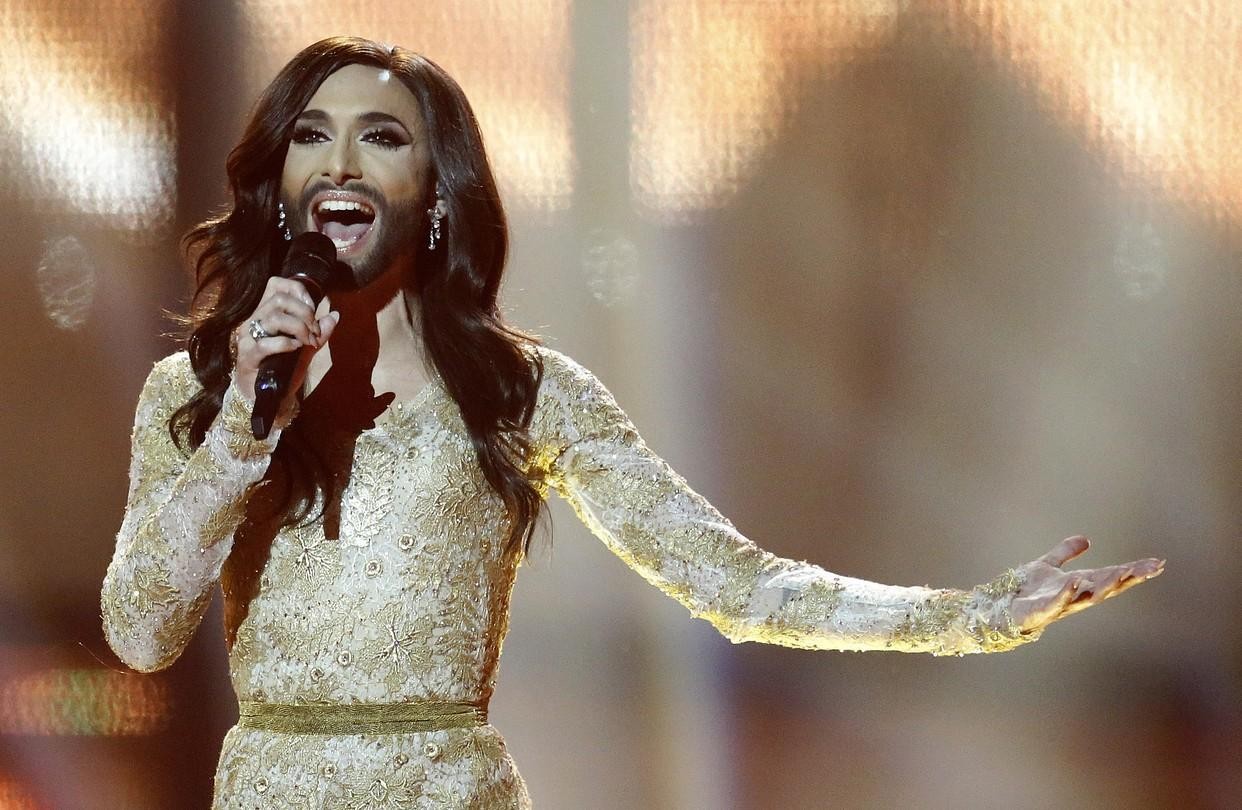
Austria has participated in the contest 54 times so far, winning twice (1966 and 2014), and coming last on no fewer than seven occasions. What’s more, they’ve received null points on 4 occasions, including 2 such results in the space of 3 years between 1988-1991, with their last big fat zero coming back in 2015.
In 2006, the country decided to withdraw from Eurovision as they told the press that the event had become an absurd competition in which the Austrian music scene was completely irrelevant. In the following years, Austria even threatened to permanently withdraw from the contest due to an underappreciation of their talents and they did not compete for several years until 2011.
Despite many flops, Austria has marked the famous contest with its 2014 drag act “Rise like a Phoenix” by artist Conchita Wurst, which illuminated the scene with a resistant performance that shook the world.
Norway

Norway has been a much more consistent participant in the contest as they’ve taken part 60 times since their debut in 1960. They have won 3 times and come last 11 times, tying with Austria for the record of number of times a country has received 0 points with 4 “null points”.
Despite their overall low scores, Norwegian acts have rarely gone unnoticed. For instance, last year’s performance by Subwoolfer “Give that Wolf a Banana” went viral and was briefly at the top of the Spotify Global Viral charts for several countries, although it could only manage 10th place in the Eurovision competition. Catchy, but perhaps too original for a unanimous win.
Germany
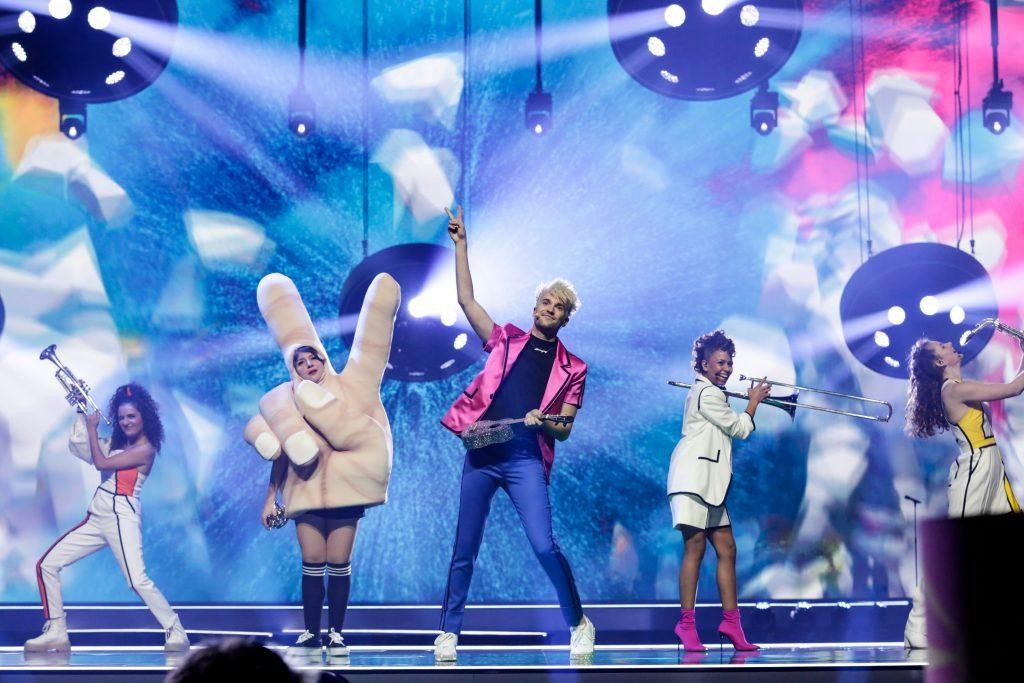
Germany has taken part in the Eurovision song contest more times than any other country, with 65 appearances under its belt. However, they also automatically qualify for the competition as one of the “Big Five”. They’ve been crowned winner twice and finished in last place 11 times, picking up 0 points on 3 such occasions, with 2015 being the last occasion they were left empty-handed in terms of points.
Despite the contestants’ fluctuating results over the years, the German public’s interest is still high and the event well-loved.
Spain

Spain has participated a total of 61 times since its debut in 1961 and, like Germany, is also currently part of the “Big Five”. Spanish contestants have won the competition twice over the years and came last 5 times, 3 of which with a total of 0 points.
However, low scores have not been a measure of success for some of the performers. Famously, Remedios Amaya whose act obtained 0 points in 1983, went on to become well-known in her country of birth. It is speculated that her flamenco-rock music might have been too original for an international audience at the time, who favoured more popular genres.